Beaver & Otter Trapping, Delaware
Beaver and otter are trapped at the water, on the run or at the dam, to stop flooding, felled trees and stocked-pond losses. Call Dale Sipple at 302-236-1273.
Beaver work is water work. A dammed culvert floods a road or a field within days, and by the time somebody calls there is usually standing water where there should not be any. Pulling the dam out without dealing with the animals just gives them a night of overtime.
Otter is a different problem with the same address. They will empty a stocked pond quietly and quickly, and the owner often blames a heron until we set a camera on it. Both species need trapping at the water, and both need someone licensed to do it.
Signs of beaver or otter
- Water backing up behind a blocked culvert or ditch
- Trees felled or ringed at the base near a pond or stream
- A dam or lodge built across a channel
- Slides and worn paths down a pond bank
- Stocked fish disappearing faster than herons account for
Photos from Delaware jobs
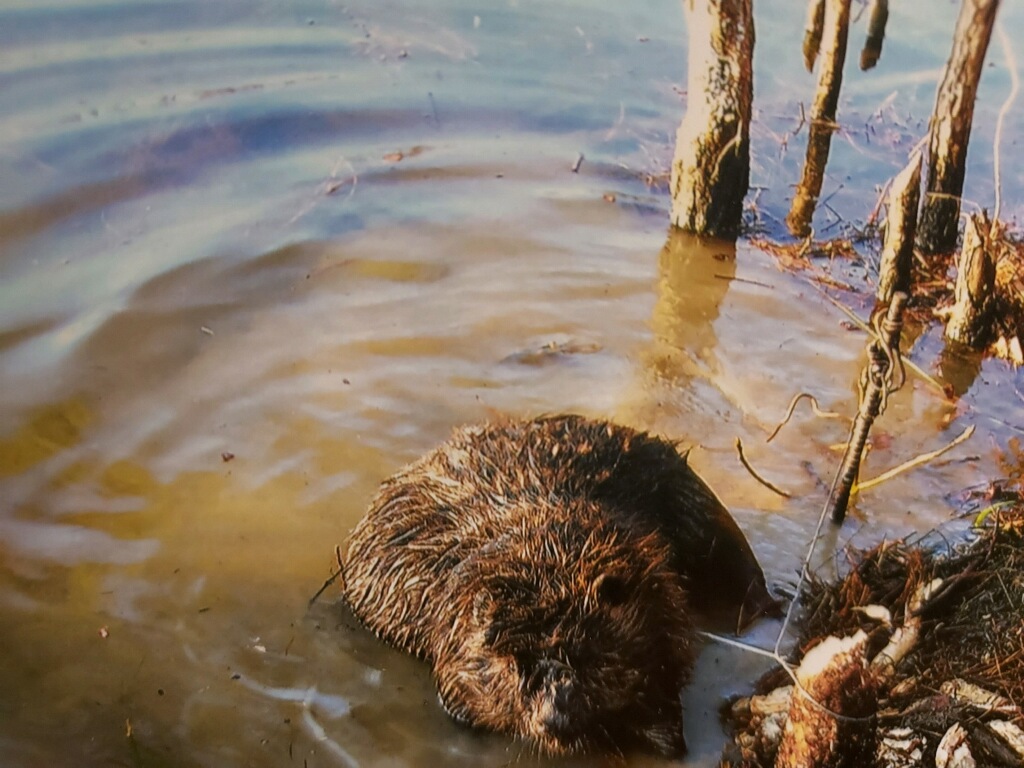
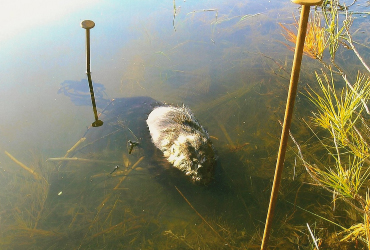
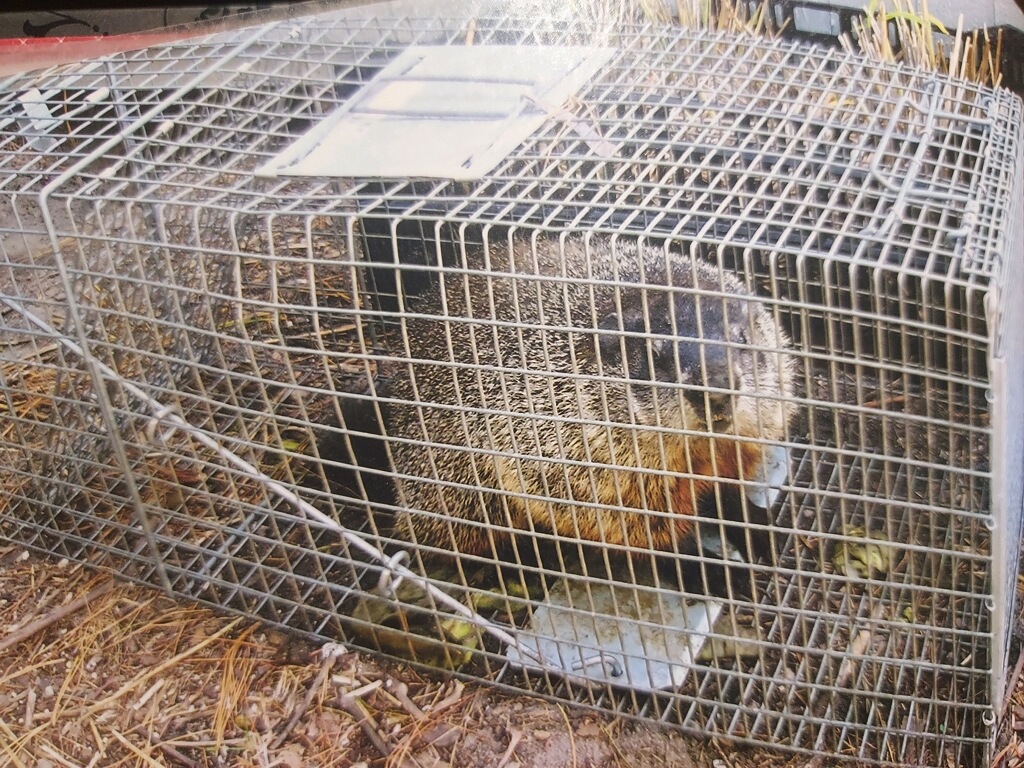
Local business in Lewes, Delaware. No sub-contracting out jobs — we do the work!

Animal & Wildlife Trapping is a member of the National Wildlife Control Operators Association.
Frequently Asked Questions
How do you stop beavers flooding a culvert?
Trap the beavers working the site and clear the dam. Clearing alone does not hold, because they rebuild overnight. Call 302-236-1273 for beaver removal in Sussex and Kent County, Delaware.
Something is emptying my stocked pond. Is it otter?
Often, yes. Otter can take a large number of fish quickly and quietly, and are usually mistaken for herons. Slides worn into the bank are the giveaway.
Can I remove a beaver dam myself?
Clearing a dam without dealing with the animals means it is back within a night or two, and Delaware regulates how beaver may be taken. It is worth having someone licensed handle it.
Do you work on farm and pond sites?
Yes. Ditches, culverts, farm ponds, irrigation channels and stocked ponds across Sussex and Kent County.