
What to Do When You Discover a Wildlife Burrow in Your Garden
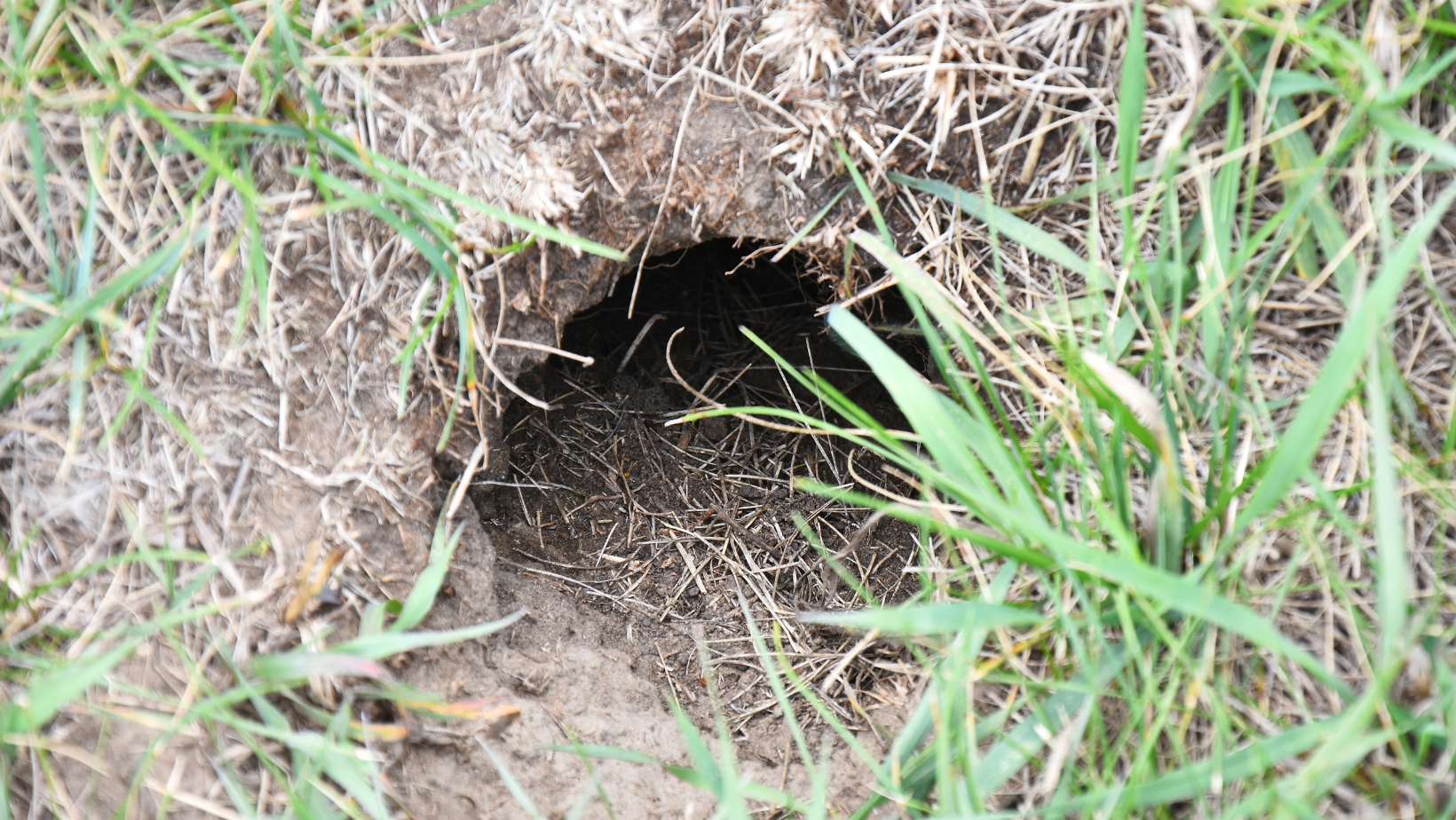
The sight of a wildlife burrow in your garden can evoke a range of emotions
–
fascination, concern, or even frustration. While it's natural to want to maintain a thriving garden, it's equally important to approach the situation with consideration for the wildlife that may have taken residence. In this blog, we'll explore what to do when you discover a wildlife burrow in your garden, providing guidance on coexisting with nature while preserving your green space.
Before taking any action, identify the wildlife species responsible for the burrow. Common burrowers include rabbits, groundhogs, foxes, or even snakes. Understanding the species will help you make informed decisions about the best course of action.
Give the wildlife some space. Observe the area from a distance to determine if the burrow is actively in use. Many animals are more active during dawn and dusk, so plan your observations accordingly. Keep in mind that some species, especially those with young, may be more defensive and protective of their burrows.
Check local regulations and laws regarding the removal or disturbance of wildlife and their habitats. Certain species may be protected, and interfering with their burrows could have legal consequences. Understanding the legal framework is essential before taking any steps.
Wildlife behaviors can vary depending on the season. Some animals may use burrows for shelter or hibernation during colder months, while others may use them for nesting and raising young in warmer seasons. Timing your actions appropriately can minimize the impact on the wildlife.
If the wildlife activity is causing damage to your garden, consider implementing protective measures rather than eviction. Install fencing, use natural repellents, or choose plants that are less attractive to the animals. This approach allows you to coexist with wildlife while preserving your garden.
If you're unsure about the best course of action, consult with local wildlife experts, such as wildlife rehabilitation centers, animal control, or environmental agencies. They can provide guidance based on their knowledge of local wildlife behavior and regulations.
Consider creating alternative habitat spaces for wildlife in your garden. Install bird feeders, provide nesting boxes, or create specific areas with suitable vegetation. This can divert wildlife away from areas where their presence may be problematic.
Share your experiences and knowledge with neighbors and the local community. Educating others about wildlife coexistence fosters a community-wide understanding of the importance of preserving natural habitats. Encourage responsible actions that benefit both humans and wildlife.
In some cases, it may be best to embrace coexistence with wildlife in your garden. Many animals play vital roles in ecosystem balance, such as pollination and pest control. Adjust your expectations and gardening practices to accommodate the natural behaviors of the wildlife around you.
Discovering a wildlife burrow in your garden presents an opportunity to balance your desire for a thriving garden with the need to respect and coexist with nature. By identifying the wildlife species, observing their behavior, and taking thoughtful and informed actions, you can create a harmonious space that benefits both your garden and the diverse ecosystem that may call it home.