Humane Wildlife Trapping Methods: Balancing Conservation and Control
Prioritizing Animal Welfare
The heart of humane trapping methods lies in prioritizing the welfare of the animals we encounter. These creatures, often displaced by urban expansion, are simply trying to survive in a world shaped by human activities. Using inhumane trapping methods not only causes unnecessary suffering but can also disrupt local ecosystems. At Animal & Wildlife Trapping, we believe that responsible wildlife management begins with compassion and understanding
.
Understanding Natural Behaviors
Effective trapping isn't just about setting up cages and hoping for the best. It involves a deep understanding of the natural behaviors and habits of the target species. By recognizing an animal's movement patterns, feeding preferences, and shelter choices, we can strategically position traps to increase the chances of success while minimizing stress and harm. This approach aligns with our commitment to ethical practices and ensures that animals are treated with the respect they deserve.
Minimizing Stress and Harm
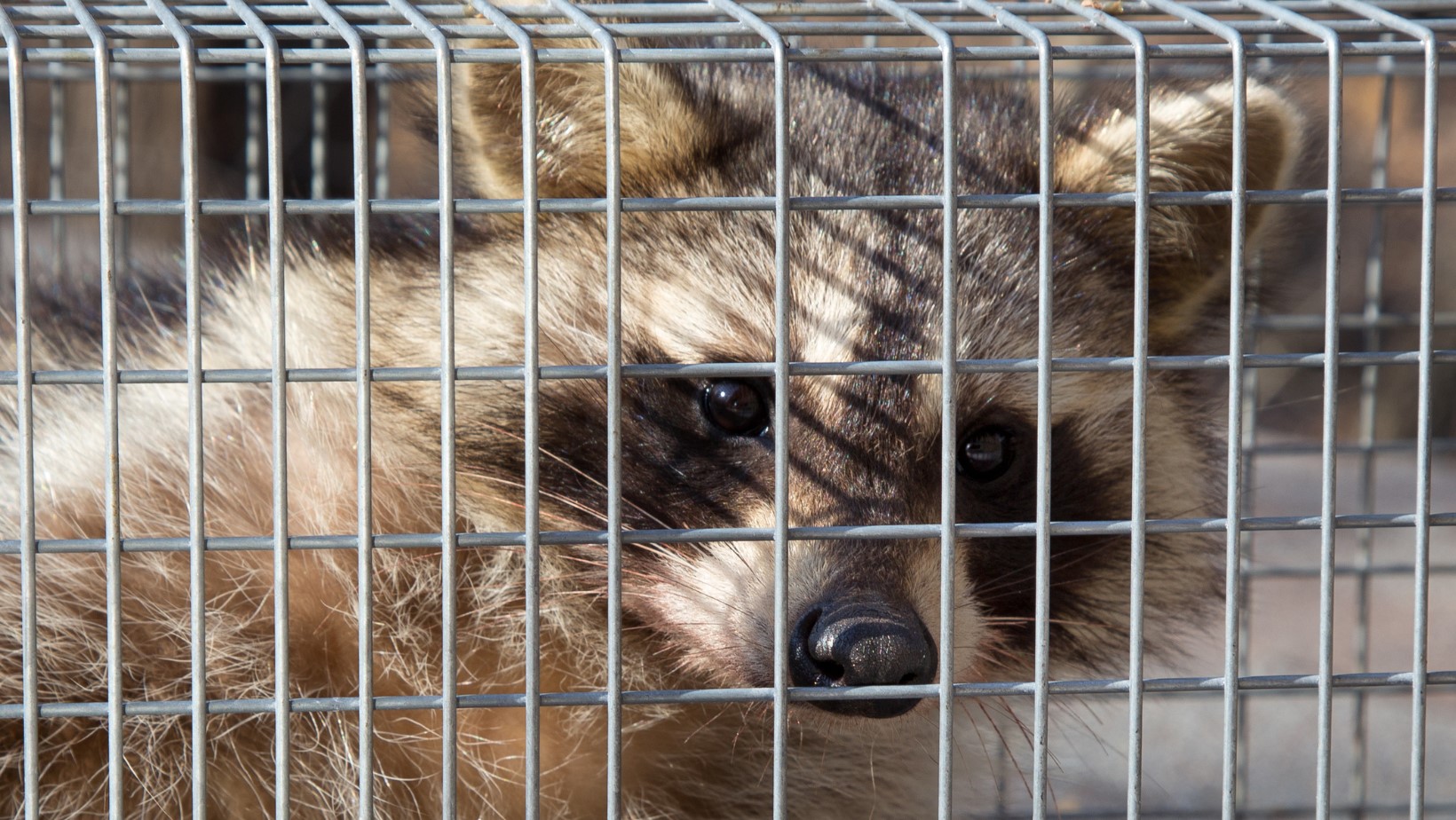
Humane trapping methods focus on minimizing stress and harm to the animals throughout the trapping process. Trapped animals experience fear and anxiety, and it's our responsibility to reduce these negative emotions as much as possible. Quick and efficient trapping techniques, along with providing appropriate food, water, and shelter for the animals while in captivity, are all essential components of a humane approach.
Selective Trapping and Release
In situations where trapping is necessary due to safety concerns or property damage, selective trapping and release become crucial. This means targeting only the specific problem animals while allowing non-target animals to remain untouched. This practice prevents unnecessary disruption to wildlife populations and helps maintain the delicate balance of local ecosystems.
Education and Prevention
At Animal & Wildlife Trapping, we firmly believe that the best way to address human-wildlife conflicts is through education and prevention. By understanding the natural behaviors of wildlife, we can educate the public about coexisting peacefully with these creatures. Simple actions like securing trash cans, sealing entry points, and removing attractants can go a long way in preventing conflicts before they even arise.